I decided to stay in Roseburg, OR for two days. To take a rest from riding, and to see what’s going on. The Best Western here was advertised as newly renovated, and the address of Garden Villa Inn sounded great.
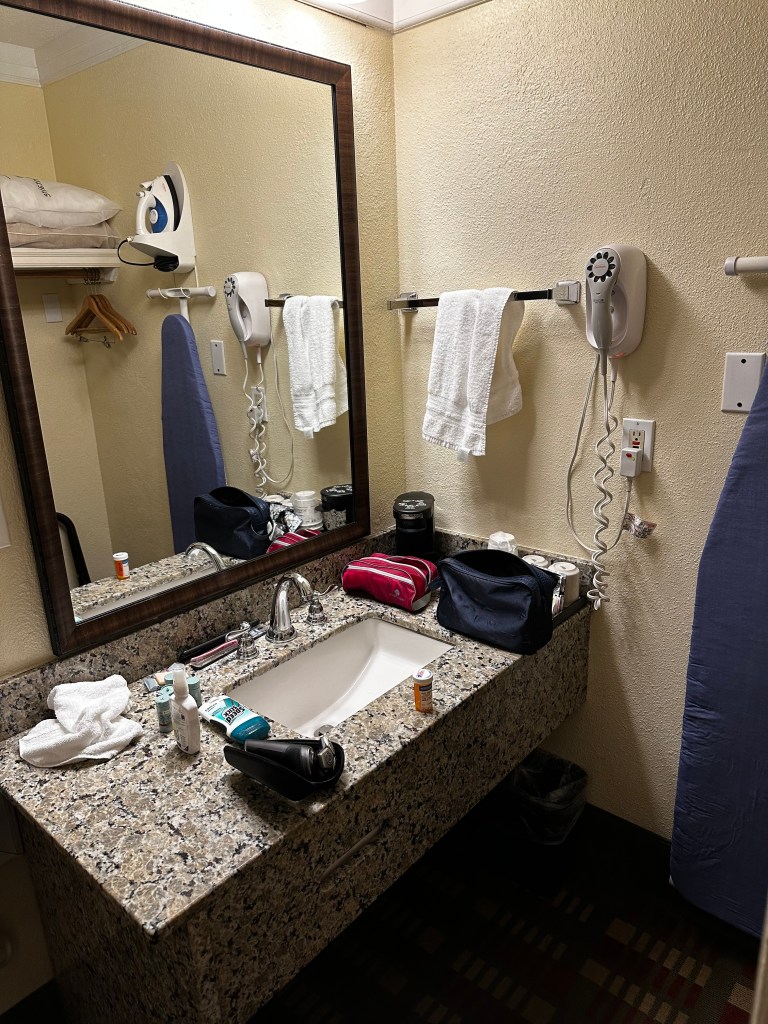
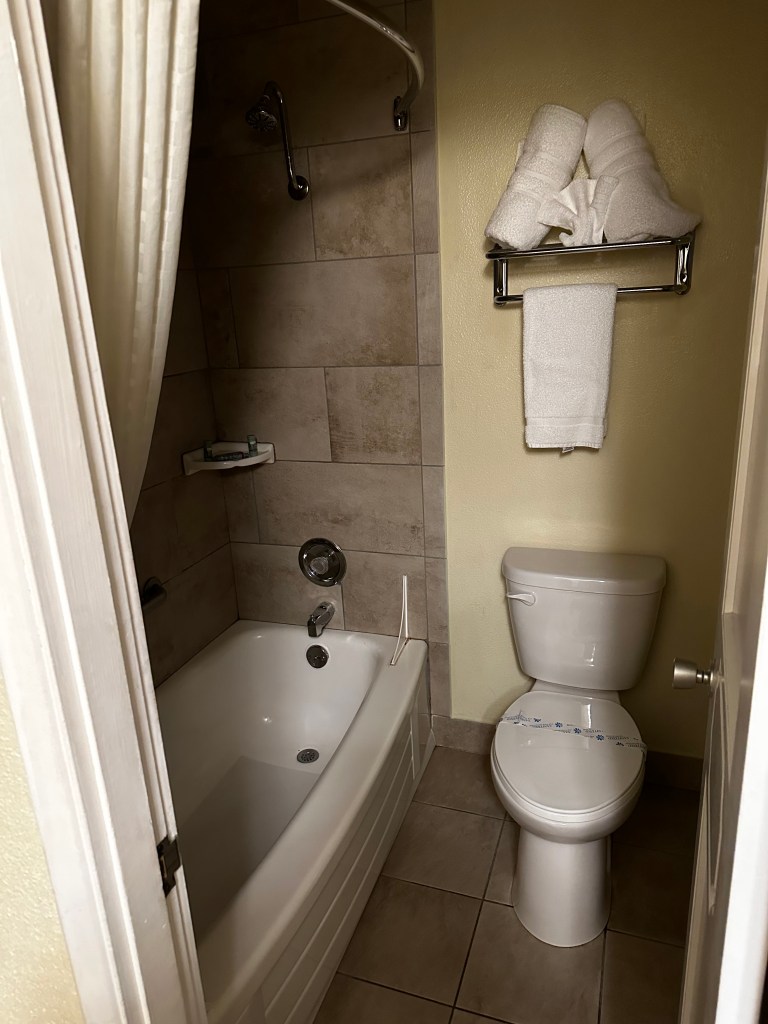
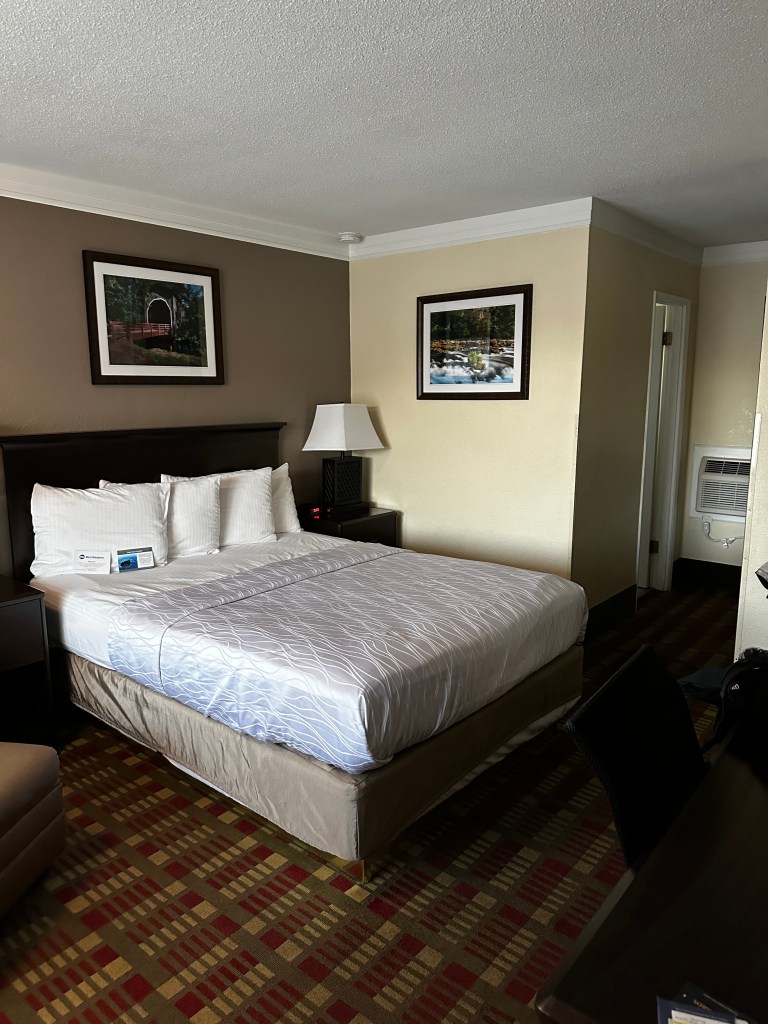
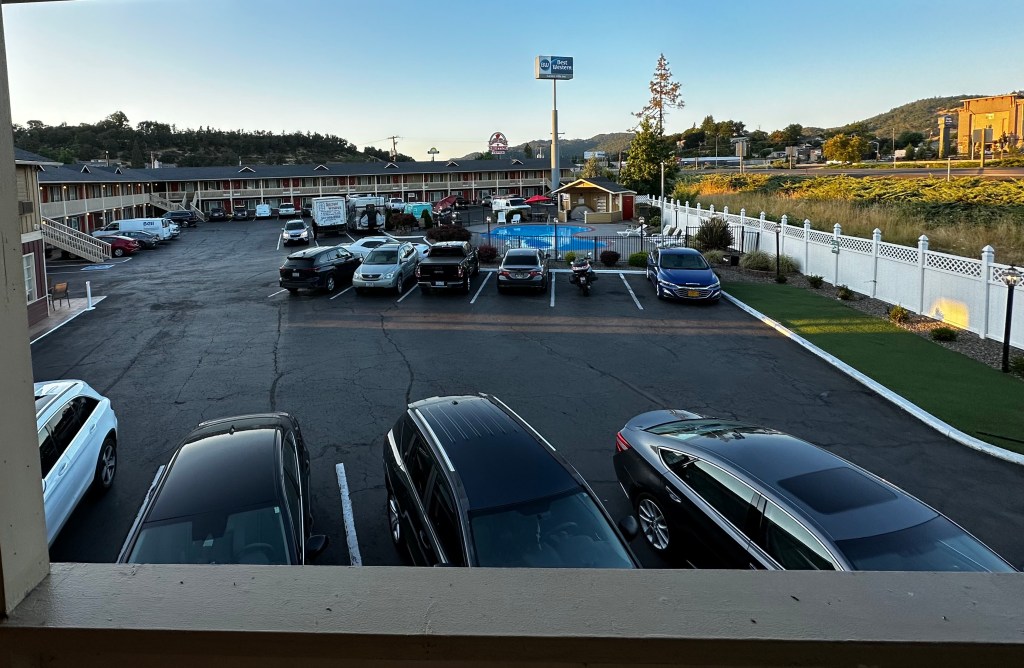
Unfortunately, as I now remember, the BWs are a collection of existing motels that the company buys. No intense brand grooming here.
Surrounding the pool garden part shown above is a strip mall, with different persuasions of gas stations sprinkled in.
Although, the property does sport a swimming pool amidst the grass. And the interior updates are indeed impressive. The room is $40 more than the one in Red Bluff.
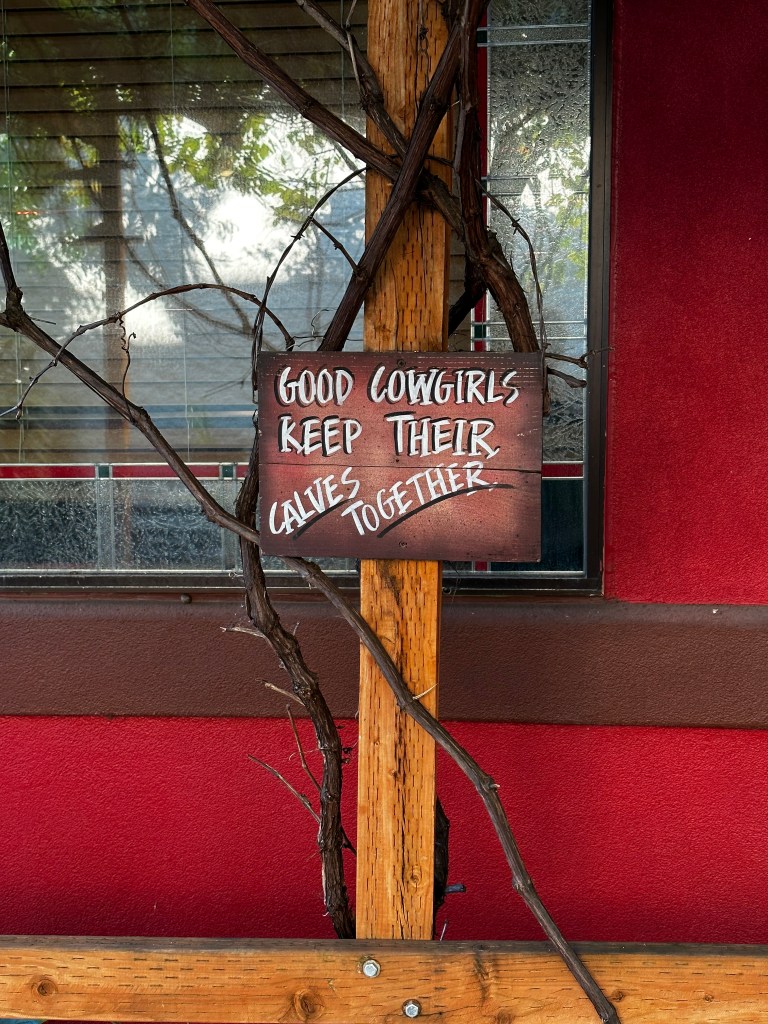
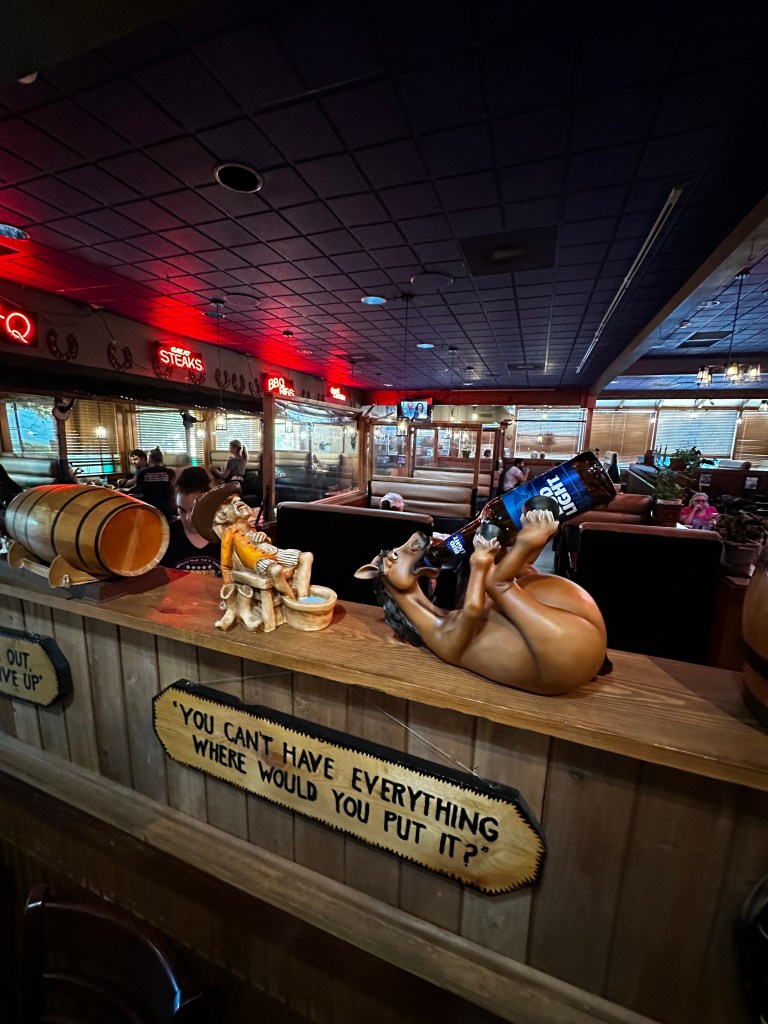
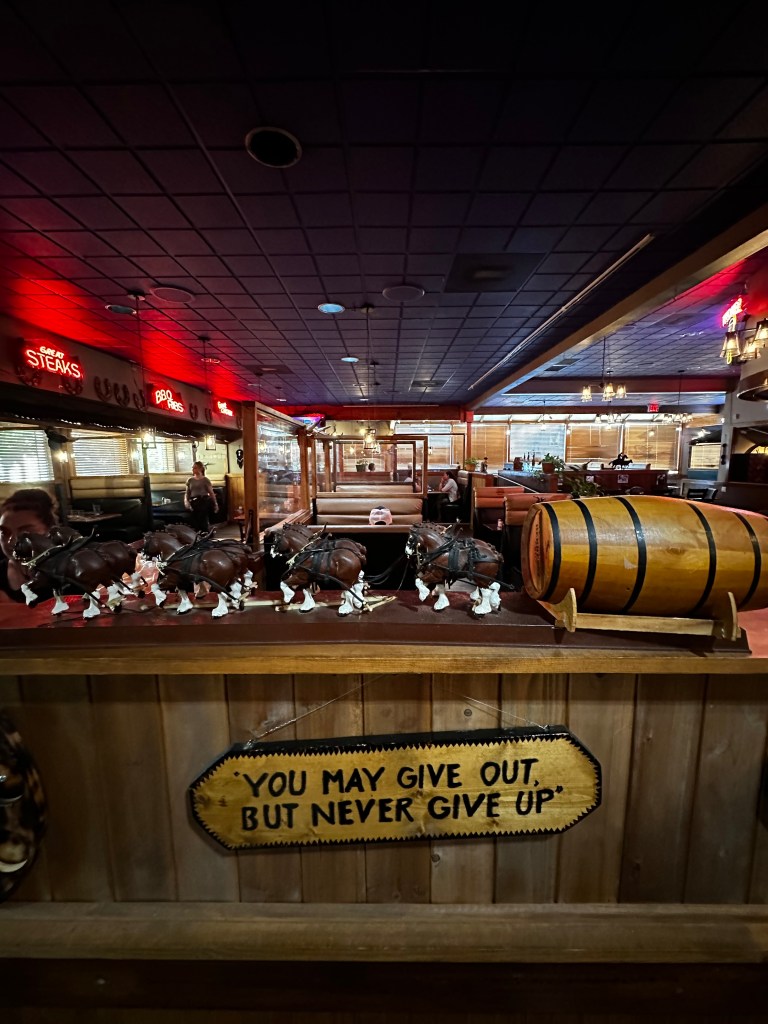
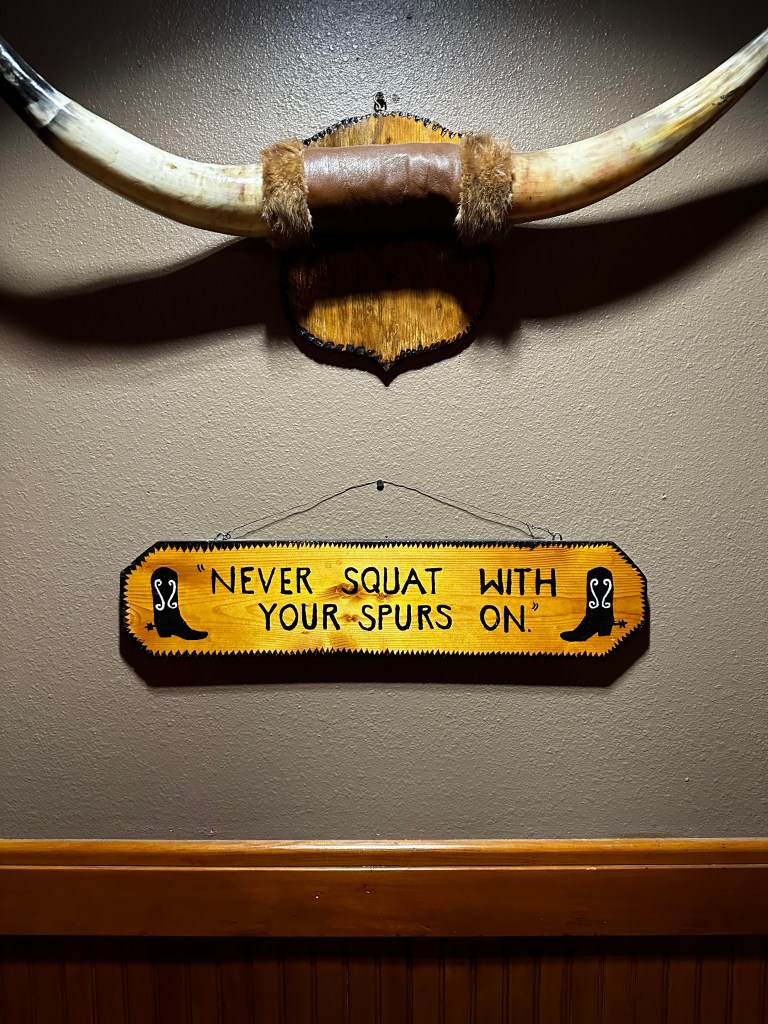
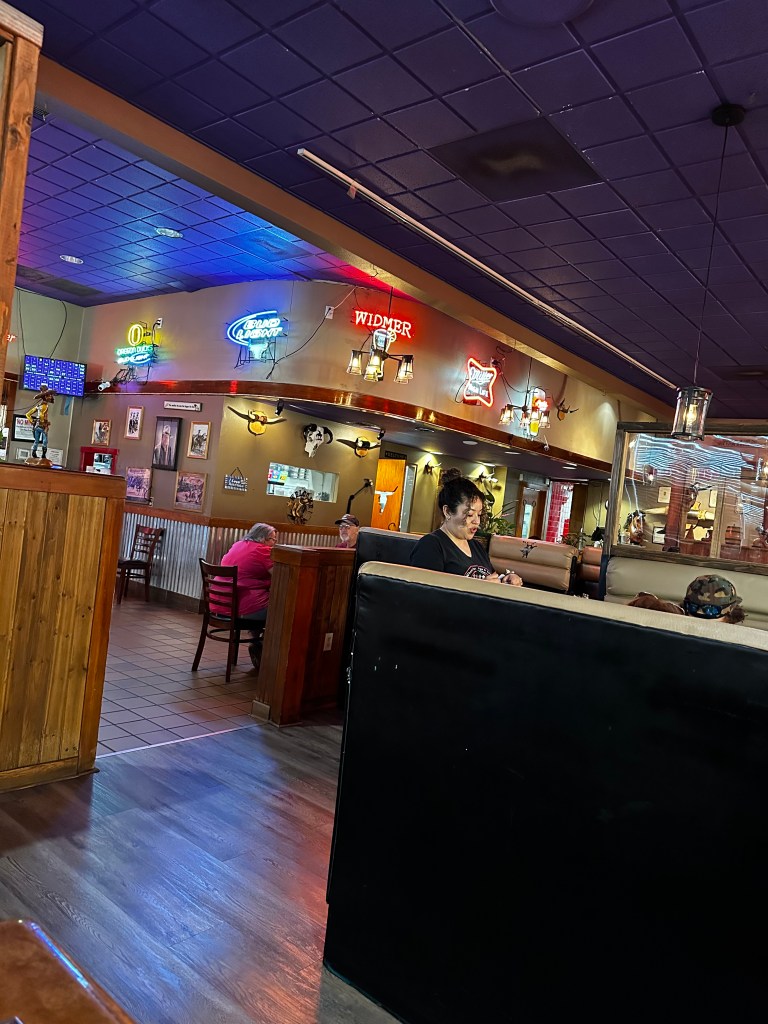
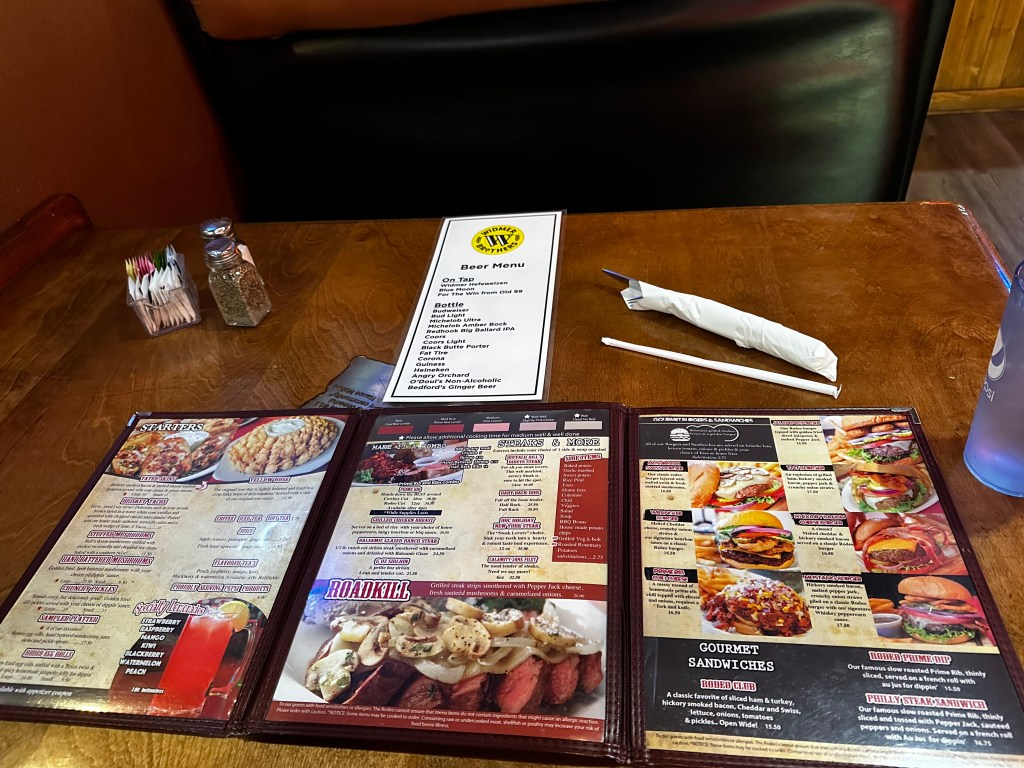
No matter. The themed dinner in the Rodeo Inn was good. I am now in ‘Hon’ country, being addressed as such by all waitresses.
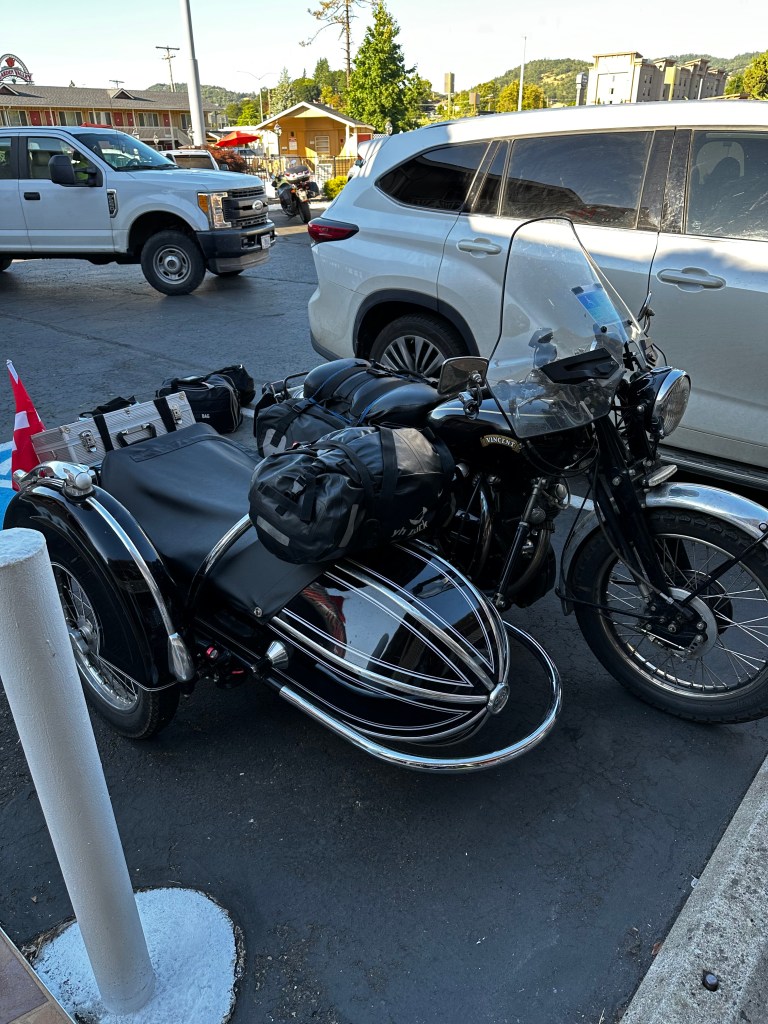
I was still in full riding gear, and not checked in when a limping biker approached me with clear knowledge of bikes, new and old. He was from Switzerland, though unfortunately from the one part whose language I don’t speak: Italian. He had his old bike with attached sidecar shipped to LA from Switzerland, and was making his way North. A friend asked why he didn’t ship his much newer BMW, which also goes with the sidecar.
“Too easy.”
He clearly wanted me to join him for dinner. But my extroversion turbines weren’t up yet from the >4hr ride, and I had trouble understanding his English. So I chickened out.
Riversdale Valley Farm
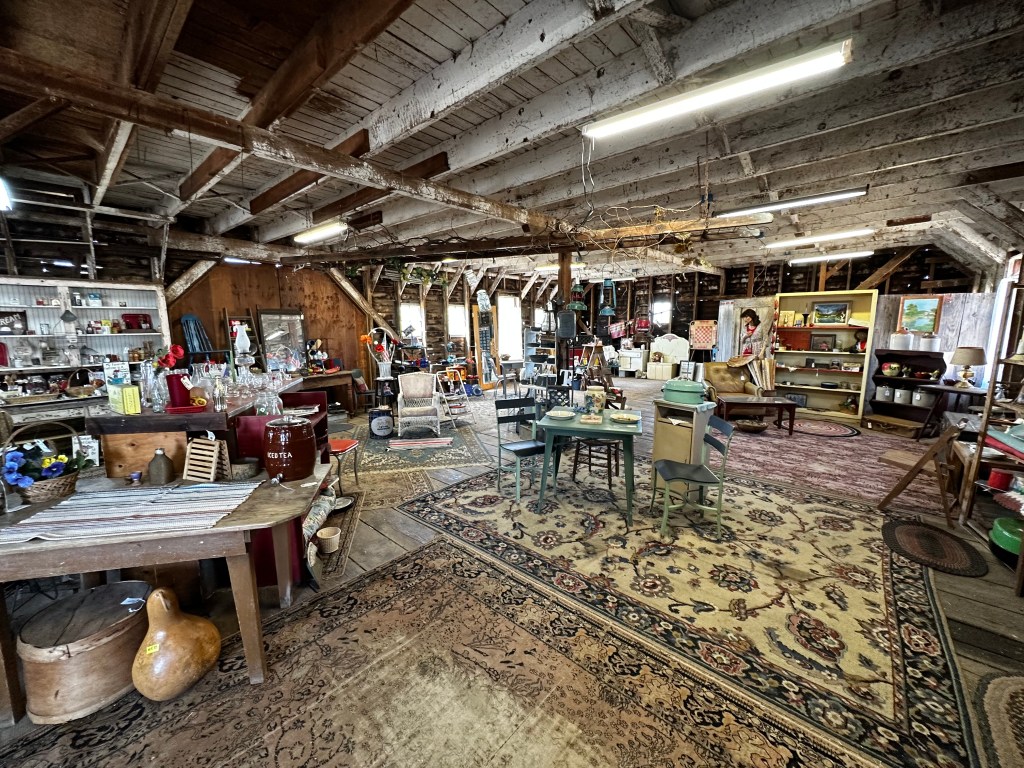
I greeted the fresh day in my unarmed attire, and set off via Lyft to the Riversdale Valley Farm. In anticipation of fresh produce I skipped breakfast. Turns out, though, that this was a beef operation, among many other purposes. The primary one being a series of barns holding an amazing collection of very much. No food, though.


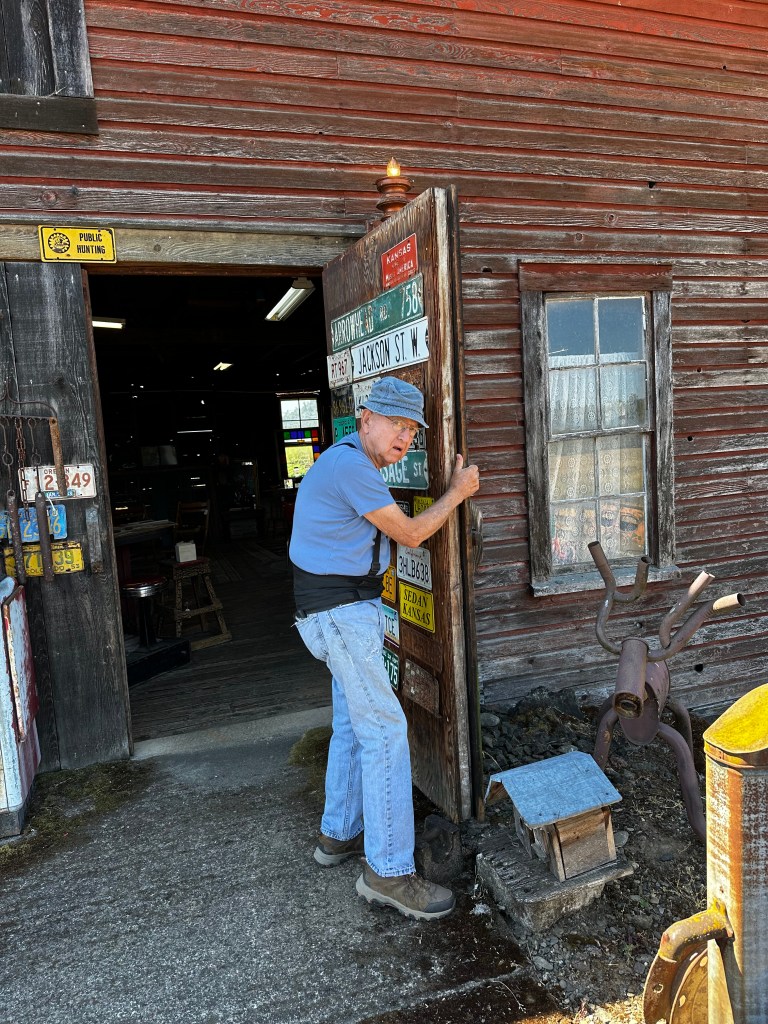
The Lyft driver and I got lost in the agriculture, and were rescued only through a phone call to the Farm owner. He came out in his pickup truck from where he lives on the other side of the property to open up the collections. A lot of land, the neighboring acres of which are owned by his kids and grand kids.
Here he is, John, opening the collection for me.
Born in Kansas, in his younger days John and a buddy went around the world, shipping their BMW R bikes across oceans, riding them at the destinations for months. They spent 2 months riding across Australia to look for land to buy. Not finding anything they liked, they shipped the bikes off, back to LA, traveling Pacific islands during transport time.
John taught the Future Farmers of America (FFA) program to High School students in Kansas and Oregon for 30 odd years. Then bought the Roseburg land.


Apart from cattle raising and slaughtering he takes a livestock, or other trailer to Kansas and neighboring States every year to buy things. He has a network of suppliers, and hits auctions. He then returns his loot to the Farm, where he sorts it, sells pieces, and with a friend creates sculptures.
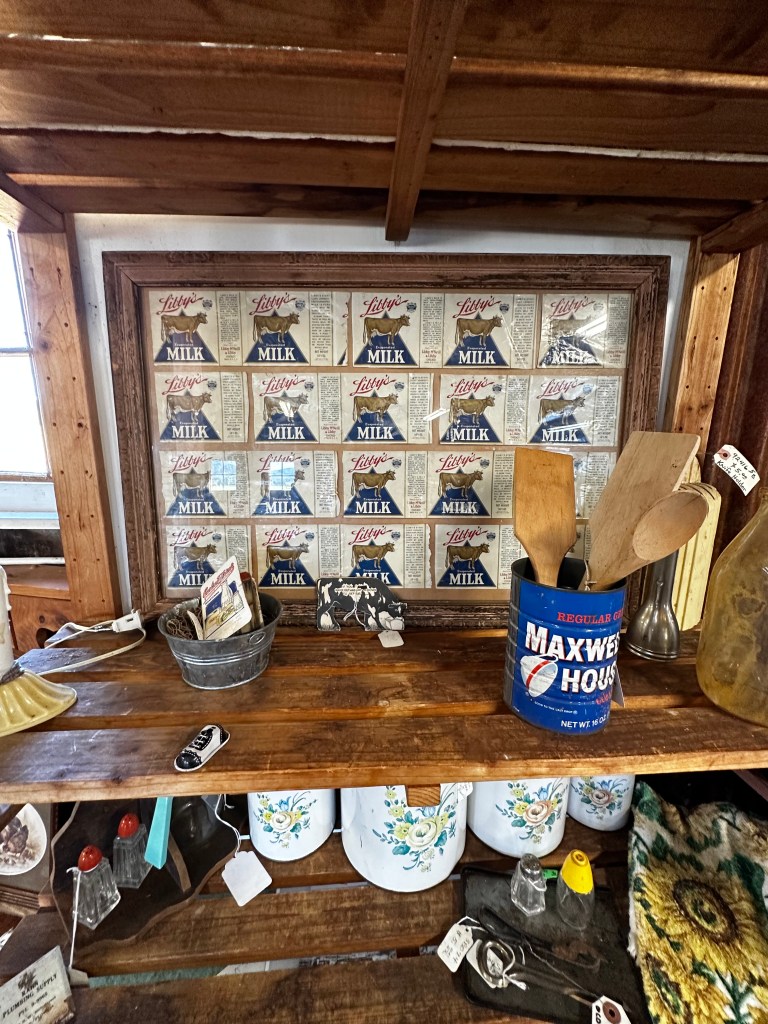
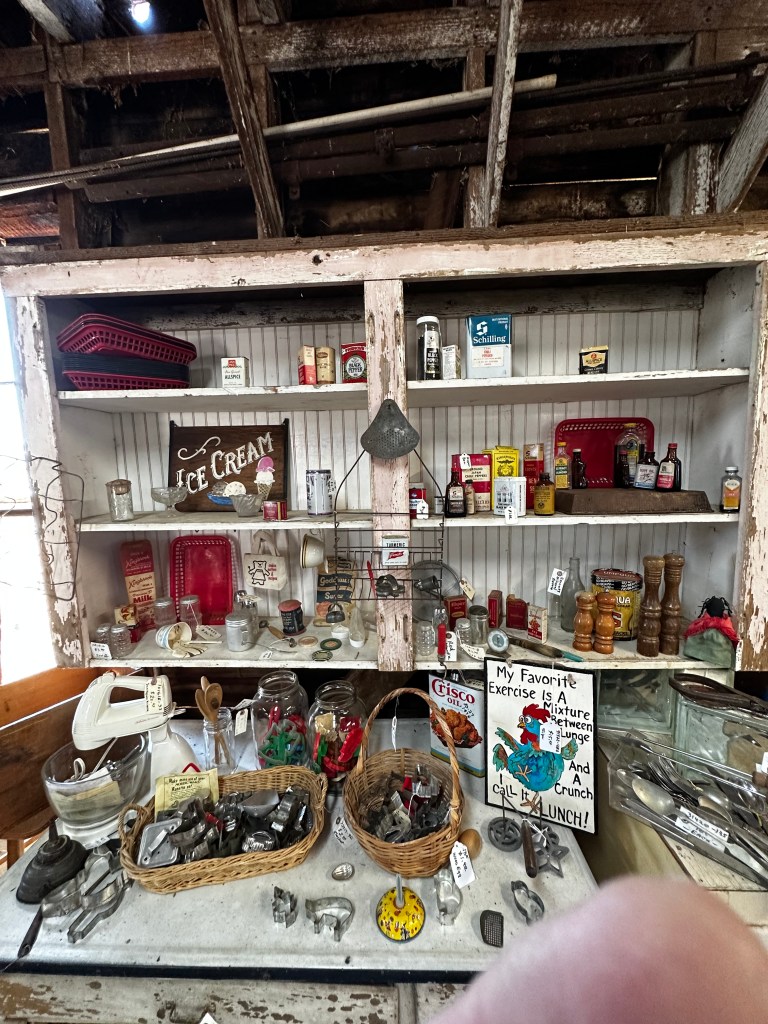


Notice above what is arguably a predecessor of Andy Warhols Campbell soup art!


Several pieces are Granite Ware, which looked to me like enamel, and that‘s what John‘s wife calls it. The pieces are apparently still made. I could imagine owning some of those.
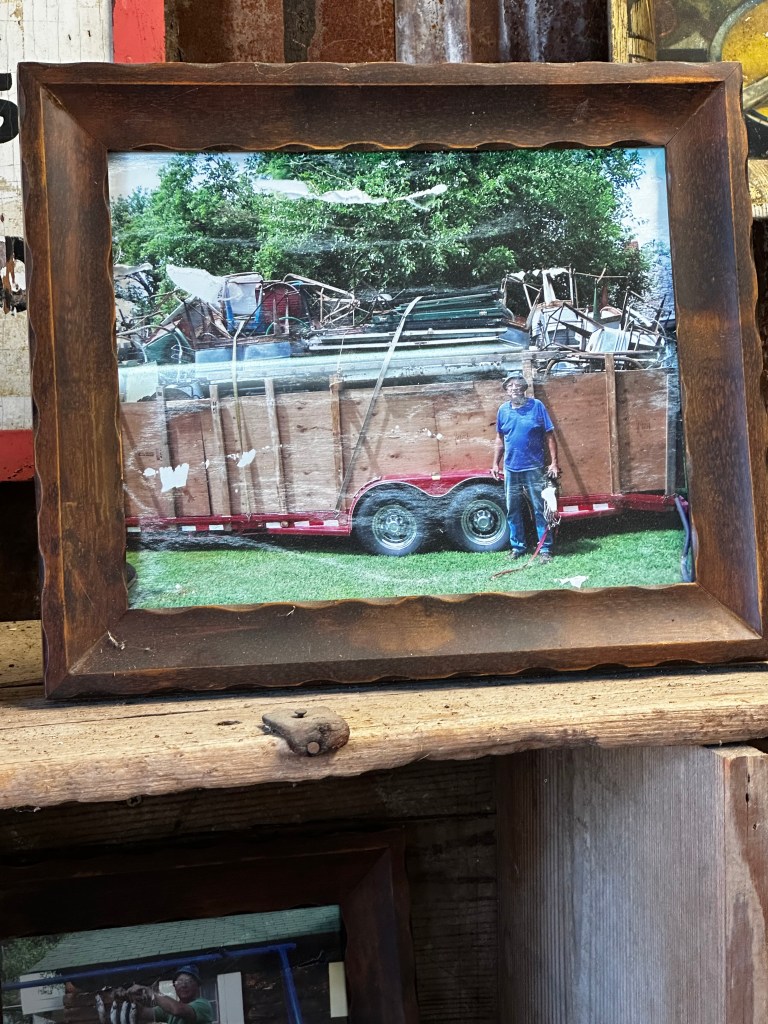
Some of the non-salable collection includes photographs of John‘s family history in Kansas. See the small house at the top, and the big one at the bottom? One of John‘s clearly highly talented 19th C. Ancestors built the small house.
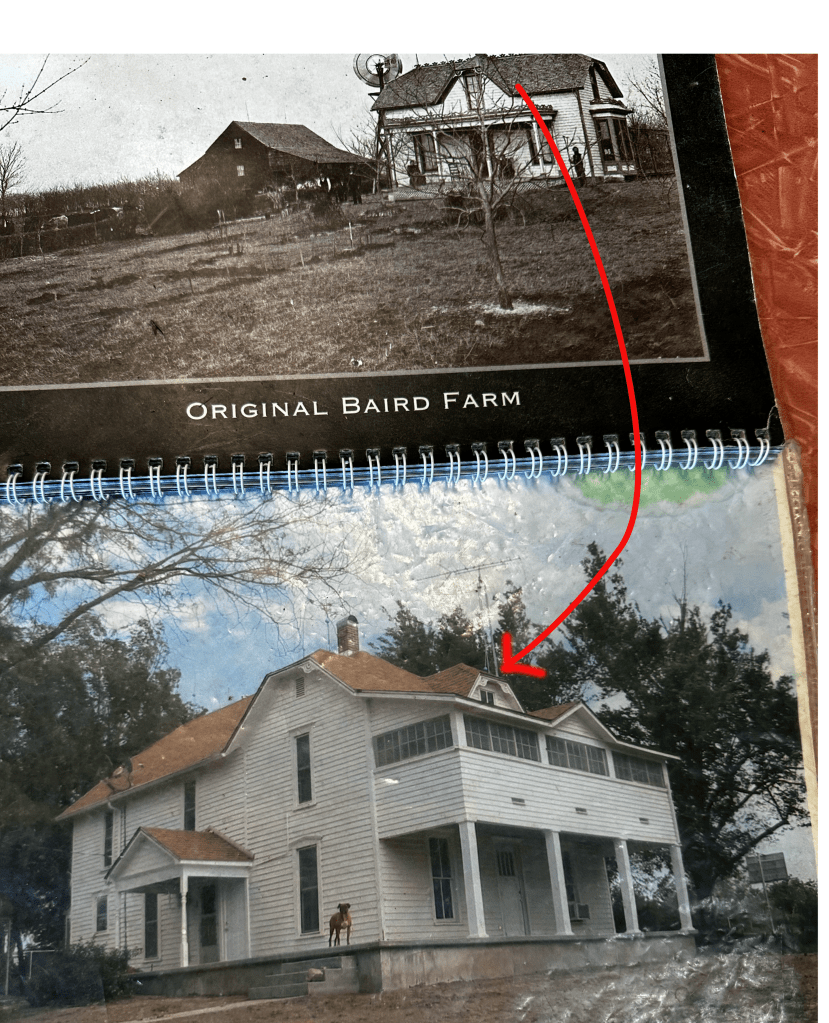
His wife was keen on a type of furniture that is higher than fit their domicile. The way I understood John, the husband jacked up the cabin, constructed parts of the white house underneath, and added a second story. The cabin is thus integrated in the final structure. John still owns the house and surrounding farm land.
John does not merely collect and sell. Here are some artifacts he or his friend construct.
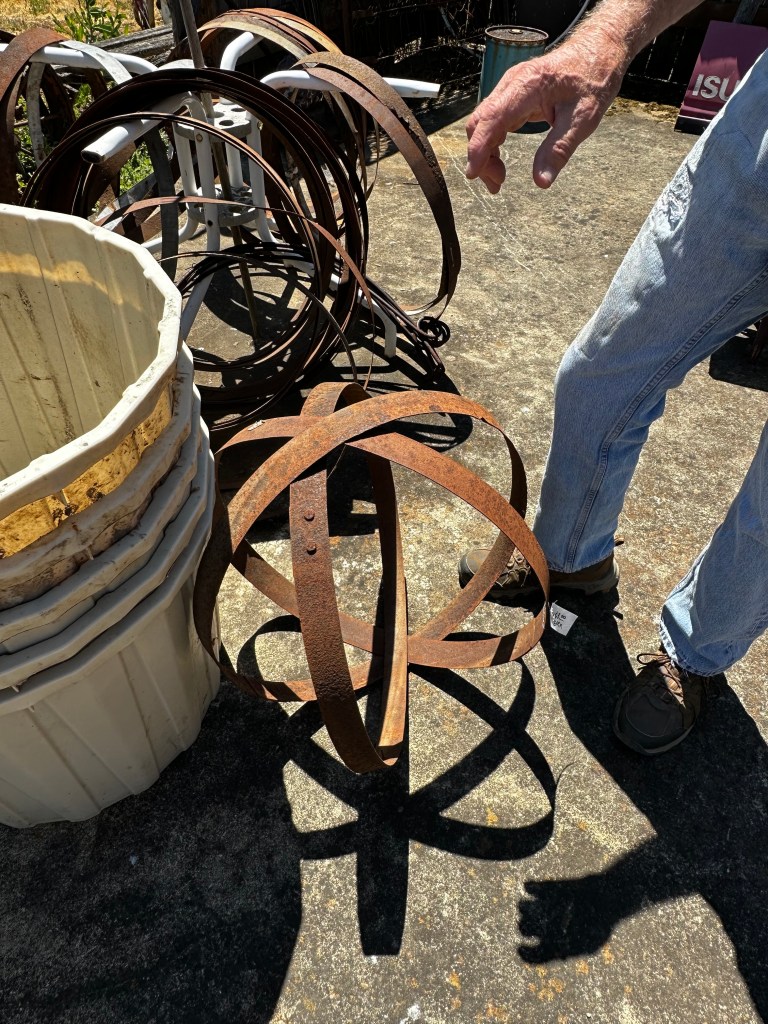
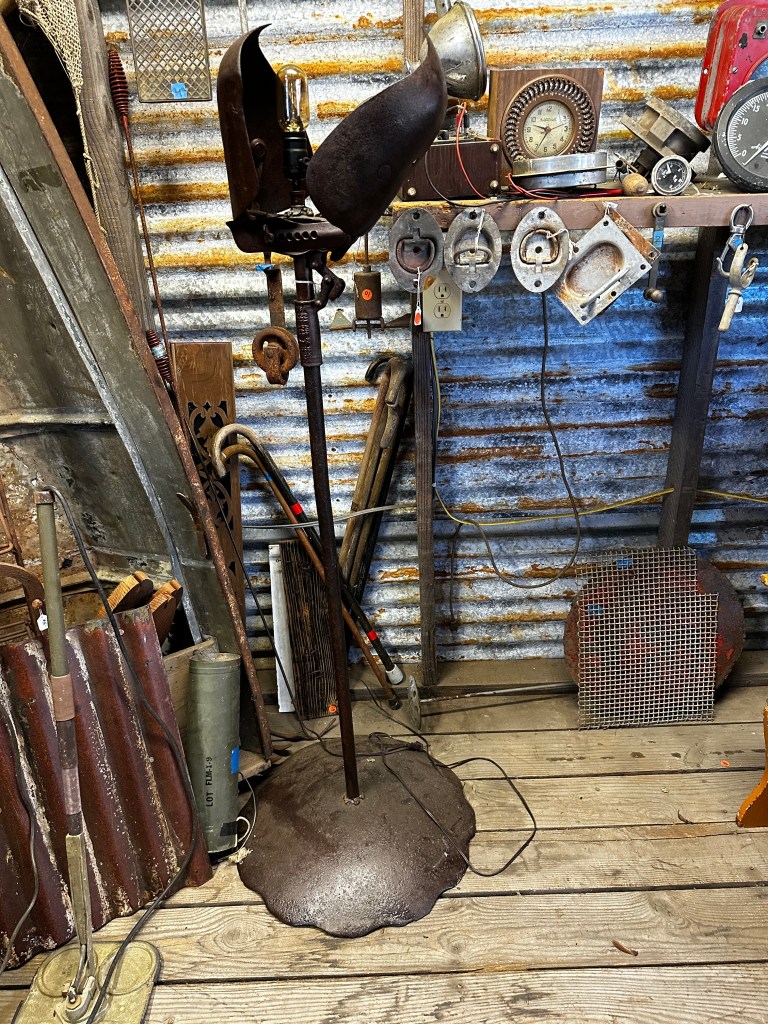
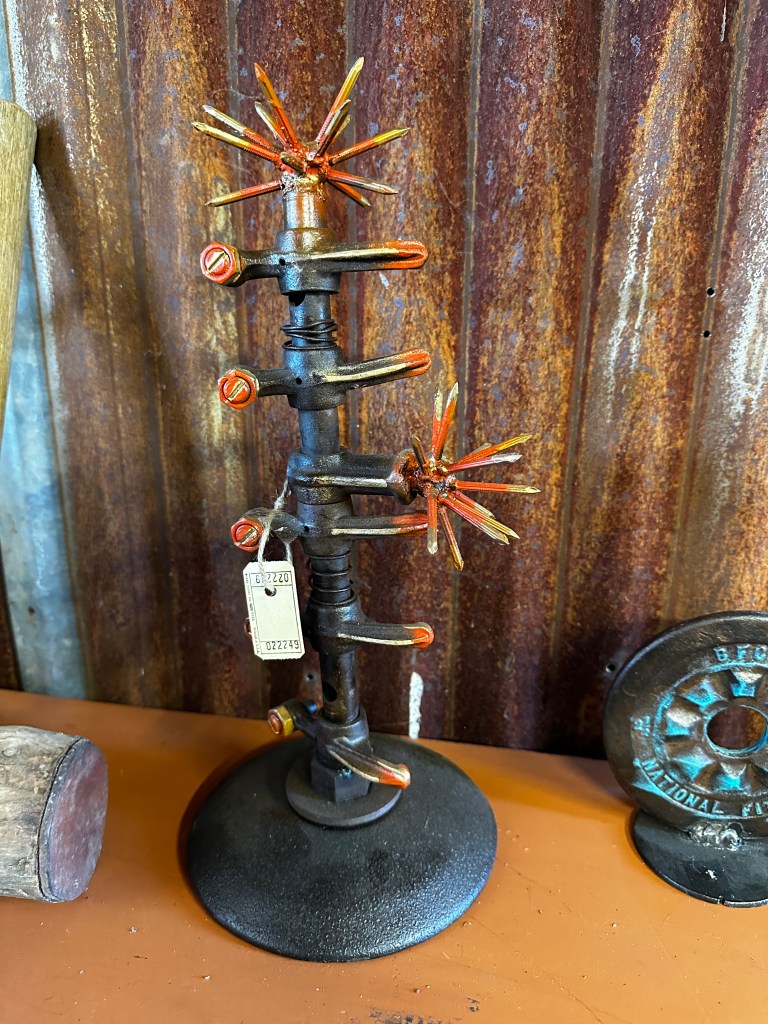
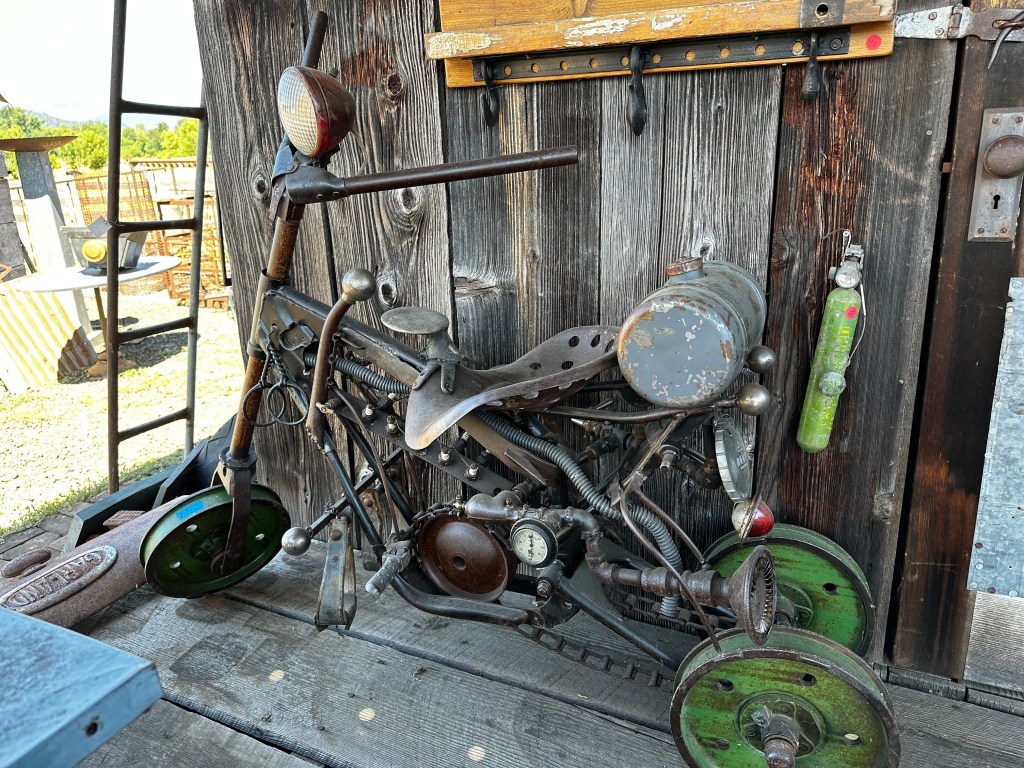
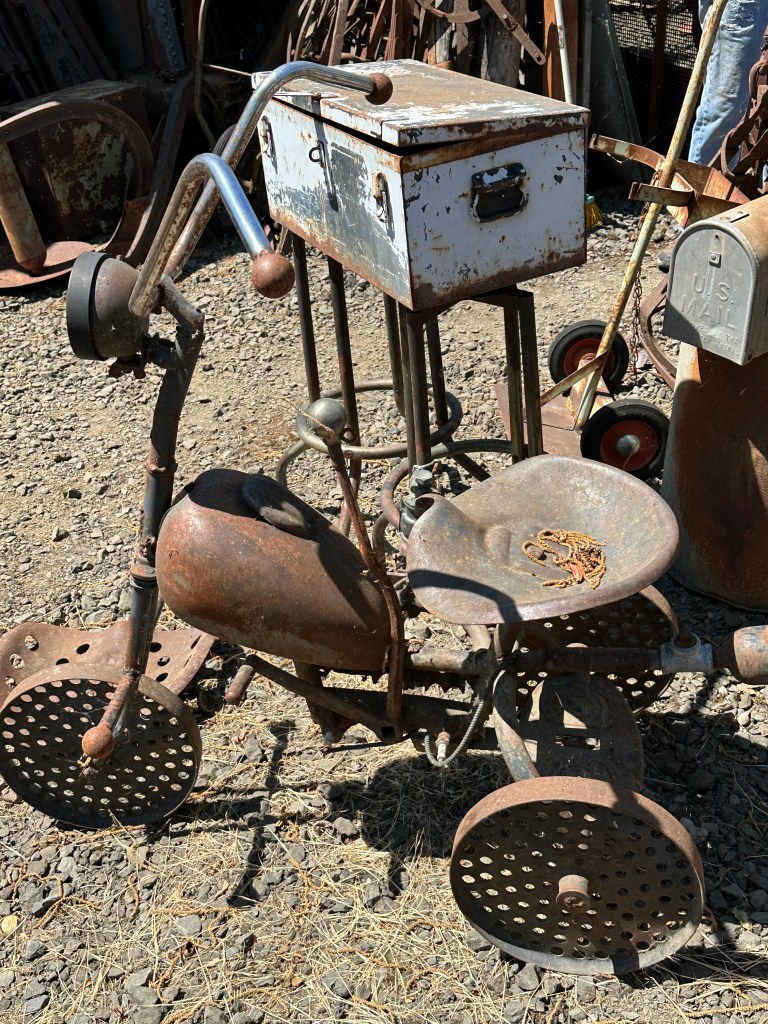
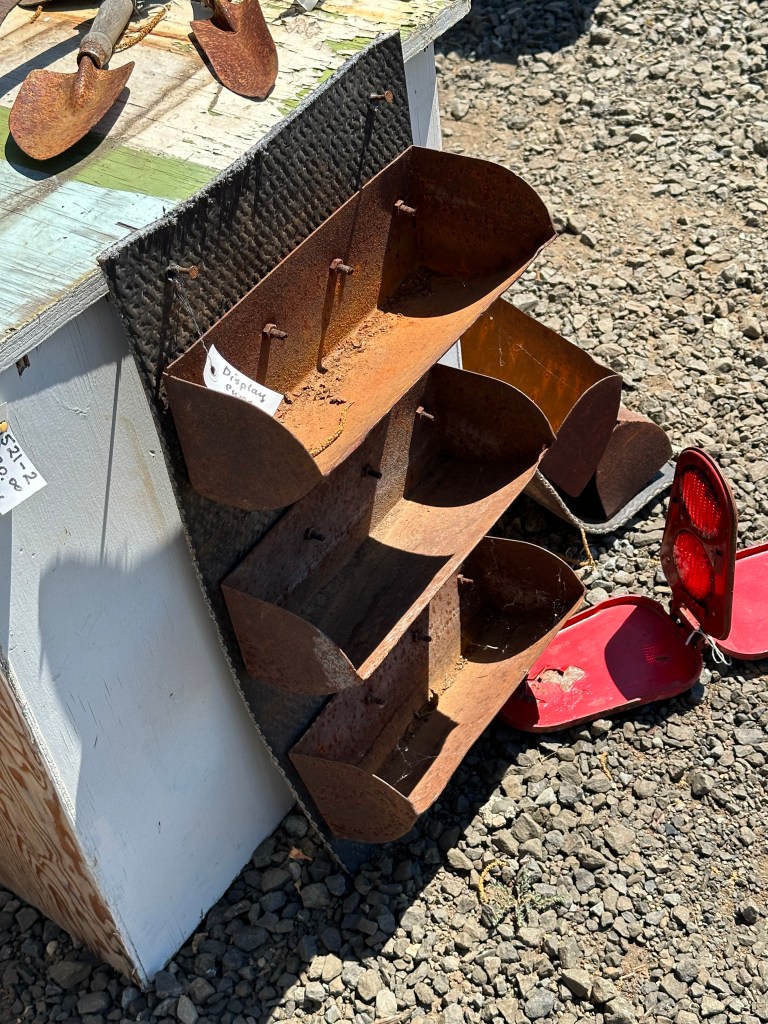
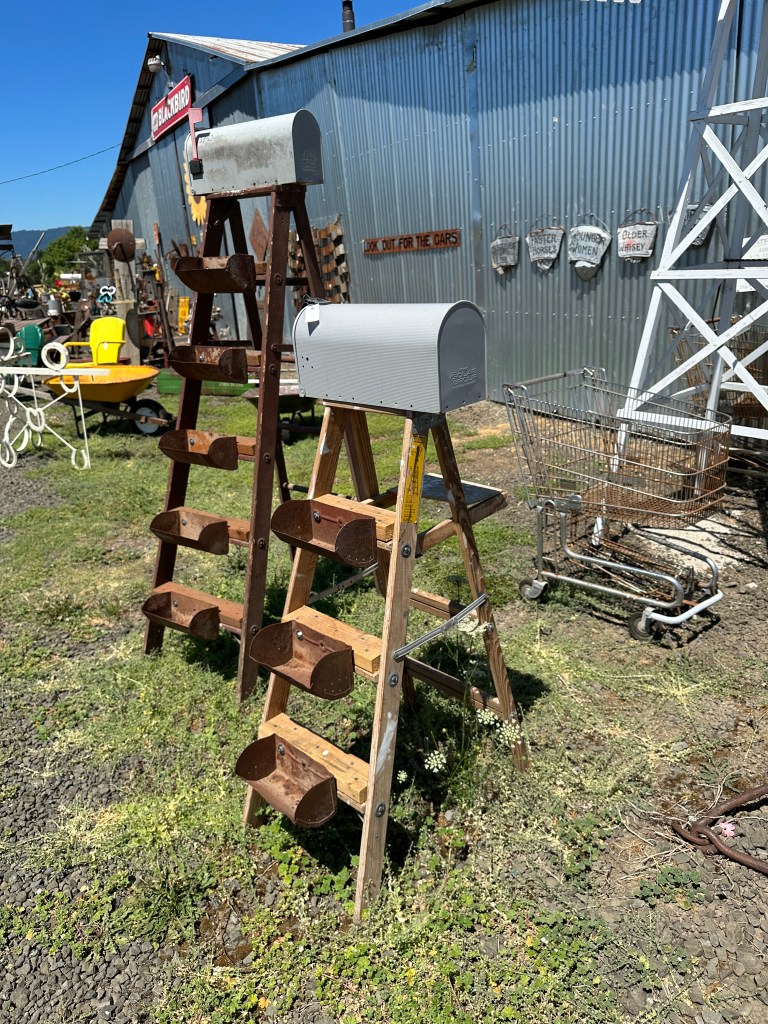

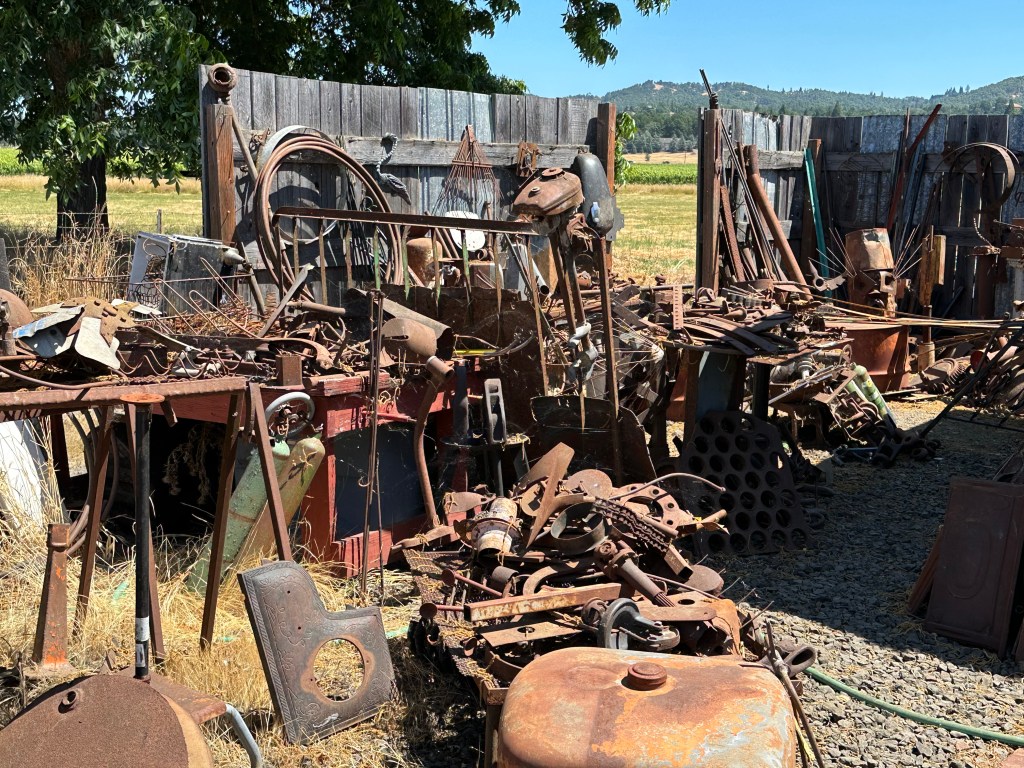
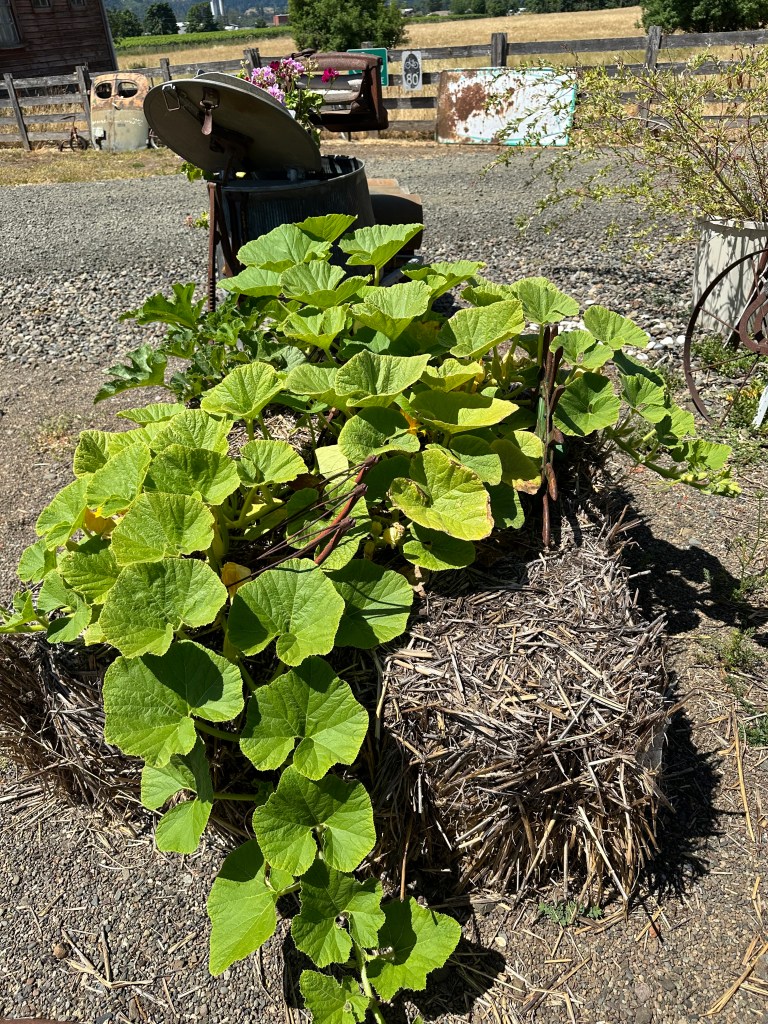
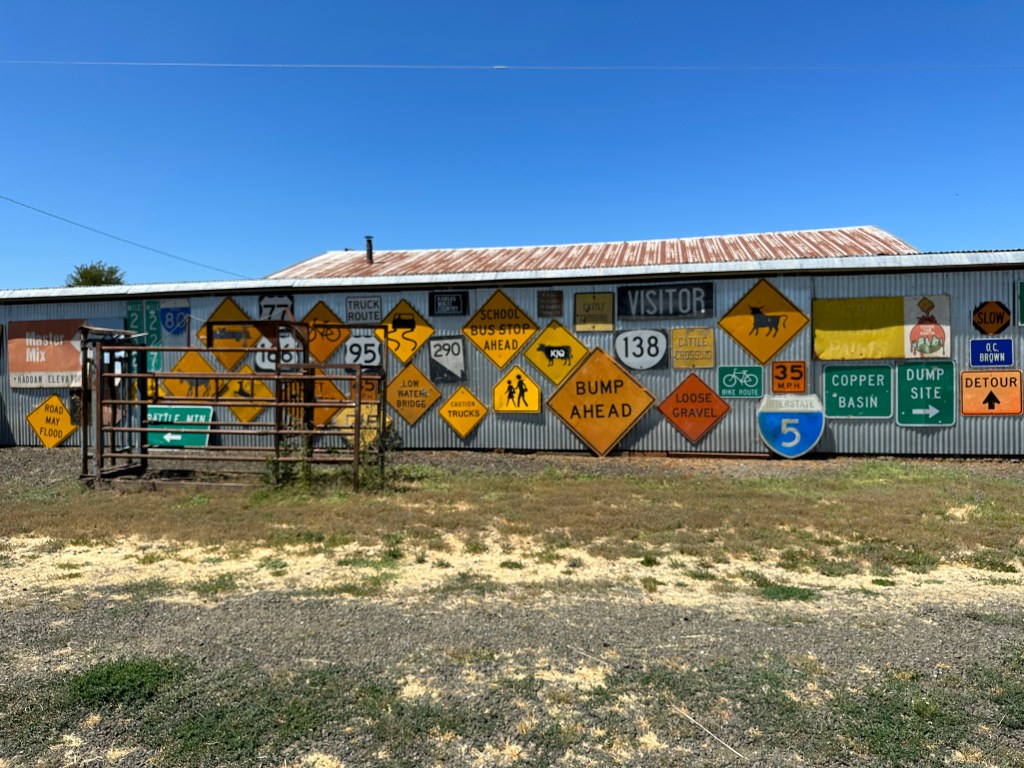
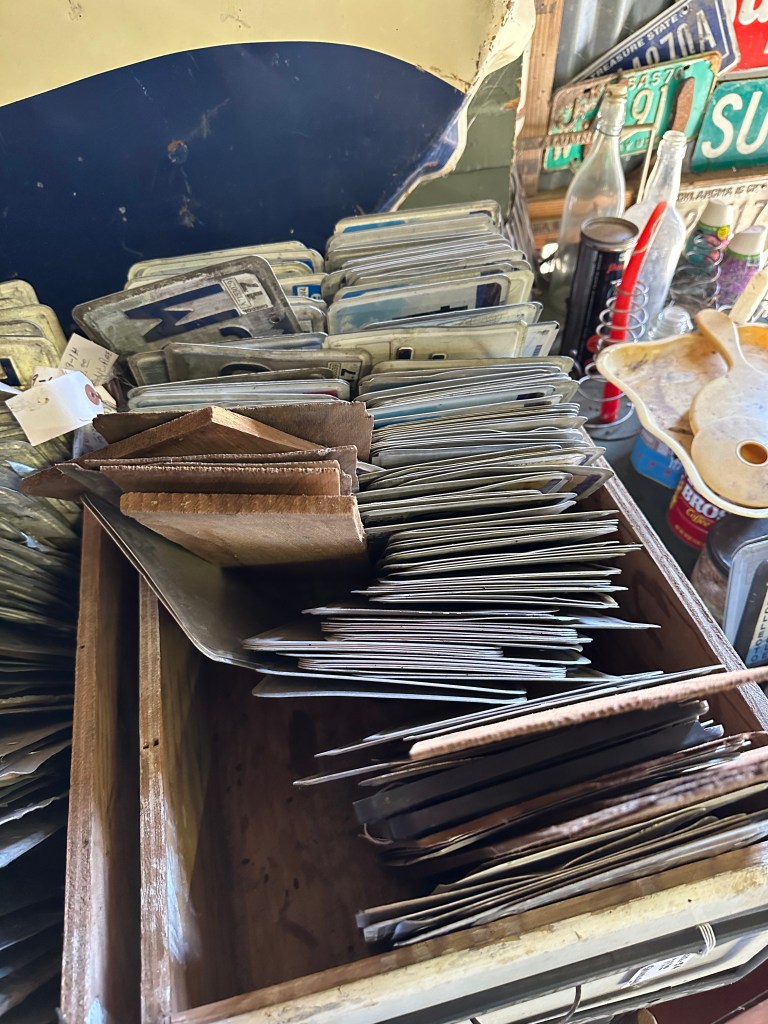
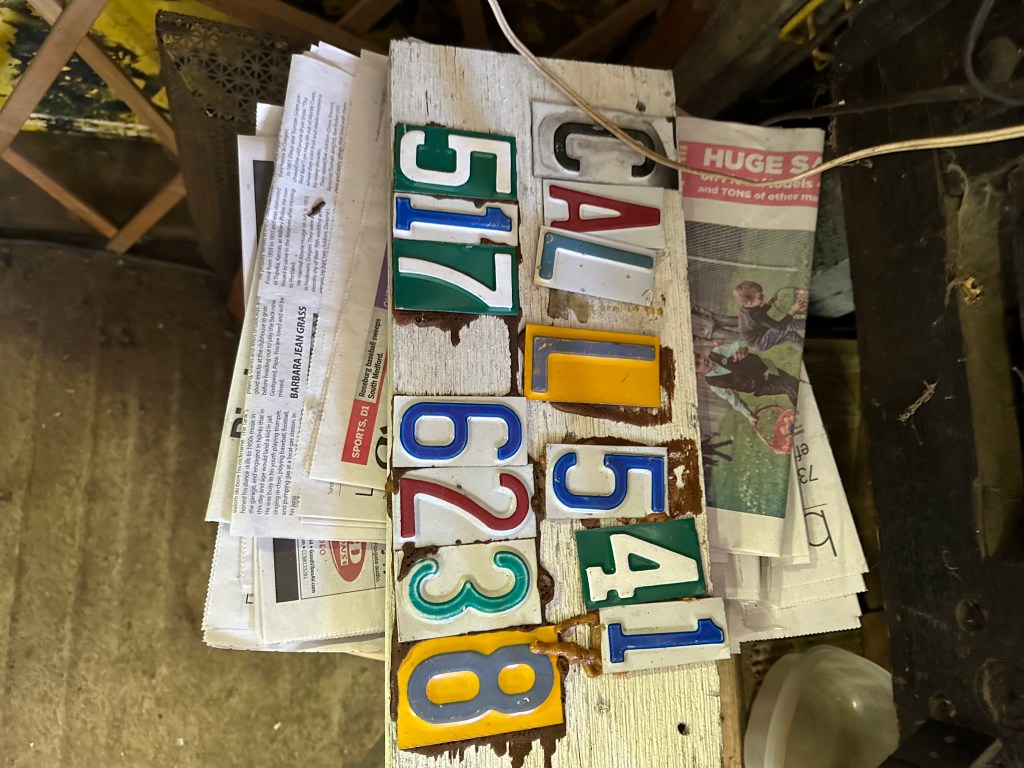
The Boneyard is where they keep odds and ends to eventually turn into the sculptures.
When I took a photo of him, John joked that I‘d need to erase it as he was in the witness protection program. The box of car license plates above gave me pause, regarding what I‘d first taken as a joke 🙂 I mused out loud that the plates would have come in handy during his bank robberies in Nebraska.
„No“, he said, „those were in Sacramento. But yes we changed license plates a lot.“
John offered to take me into town, rather than risking another Lyft driver getting lost. Even though he‘d spent very considerable time explaining farm equipment, hauling, grape growing, and history to me, he would take no money. I had told him ahead of time that I couldn‘t buy anything.
„I just want two words,“ which I gave him in spades.
John went an exit further South than his destination, and took me to the County Museum.
County Museum
Just a quick summary of the much more official County museum. They specialize on fossils/bones from the general area, as well as the history of settlement. Here is a blackly ironic painting from their collection:
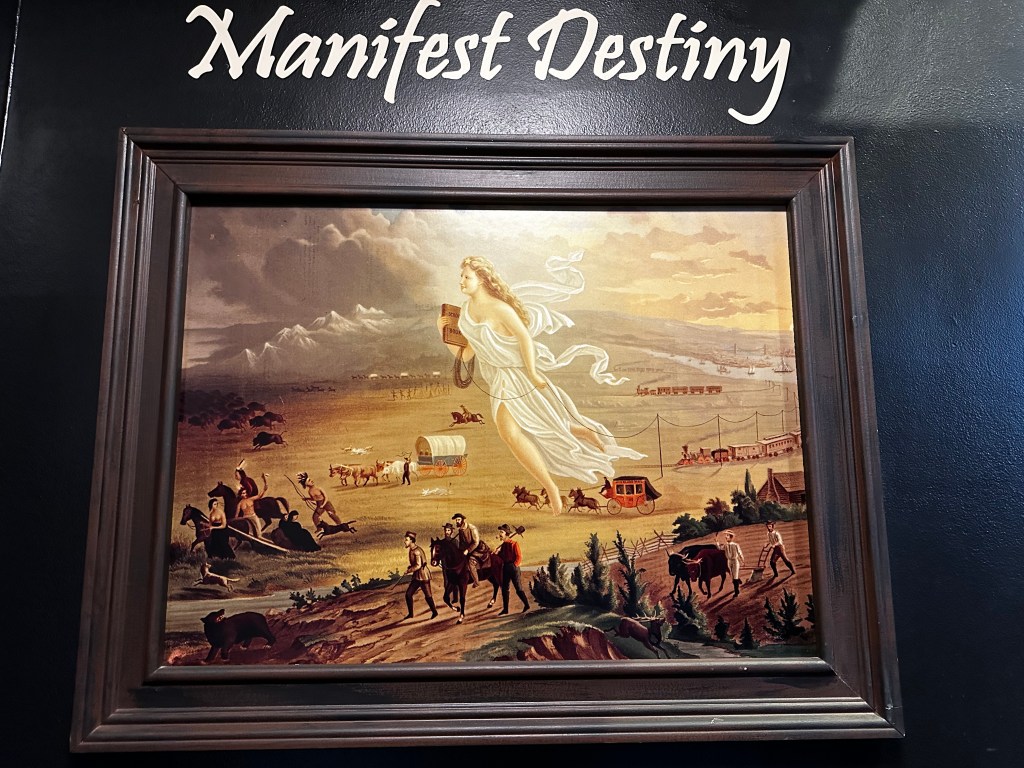
The angelic white lady overseeing what? The genocide? John told me about the Osark Indians in Oklahoma. In a 19th C. treaty they received $15M, plus the county of Osark. This was a good deal for both the tribe and the US government, particularly since lots of oil was found in Osark County later. The tribe was quite rich. Then whites married into the tribe, inheriting land and rights via the bride. Then murdered her. All manifest, I suppose.
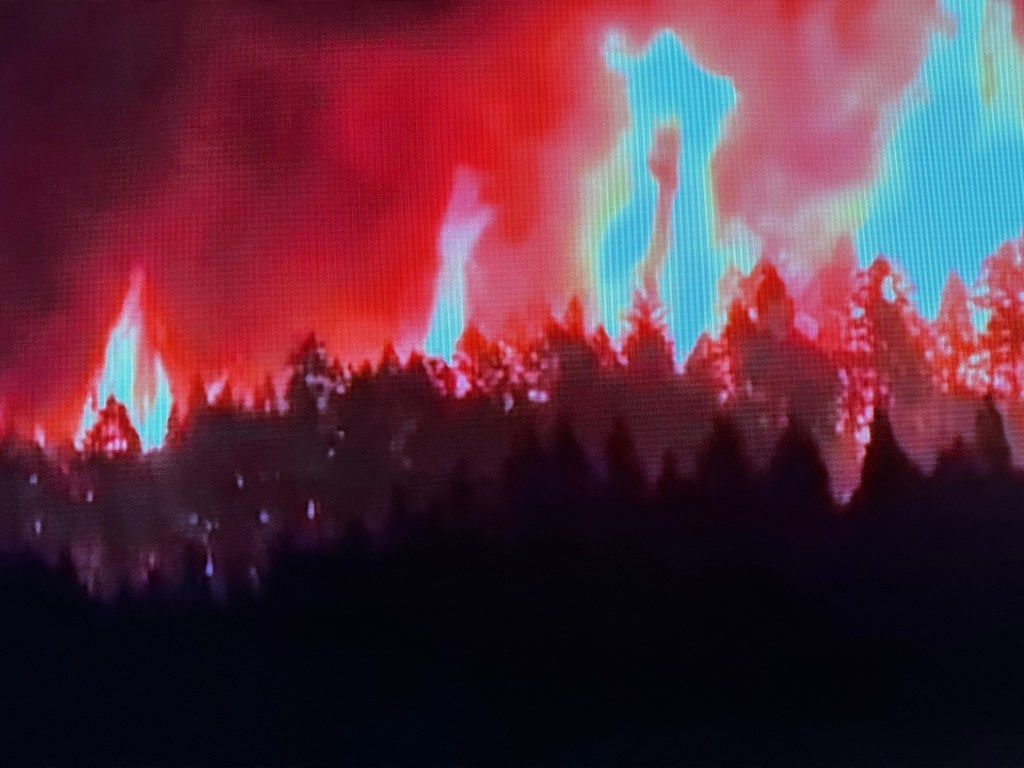
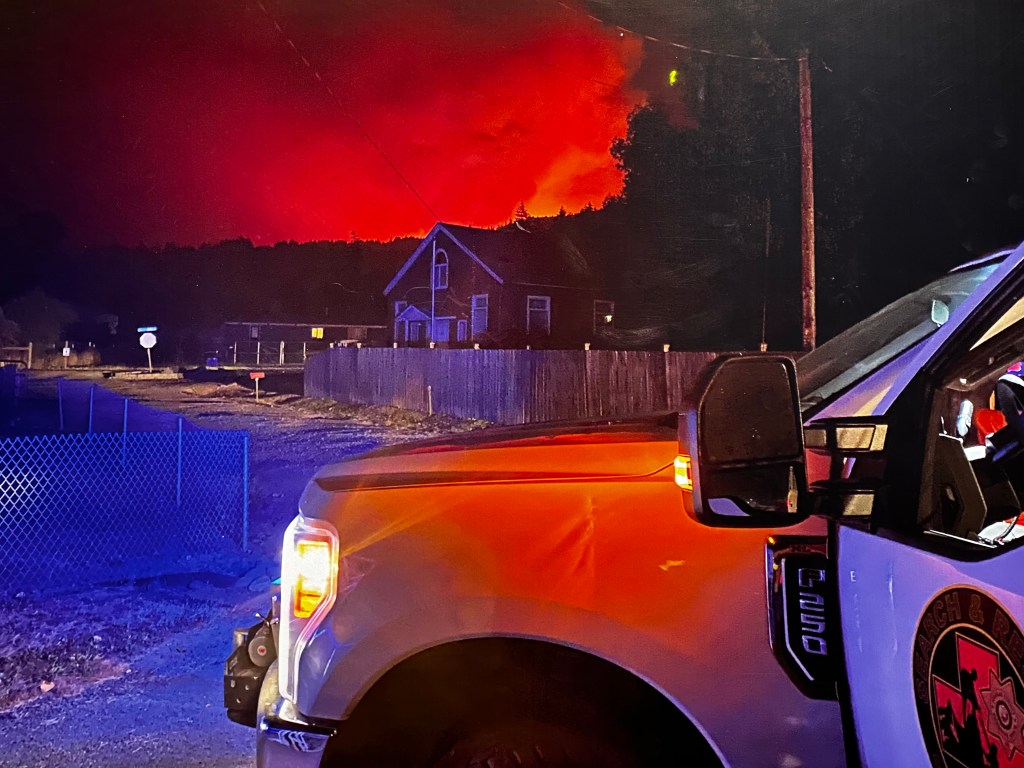
One room was dedicated to a 2020 fire that devastated some of the surrounding area.



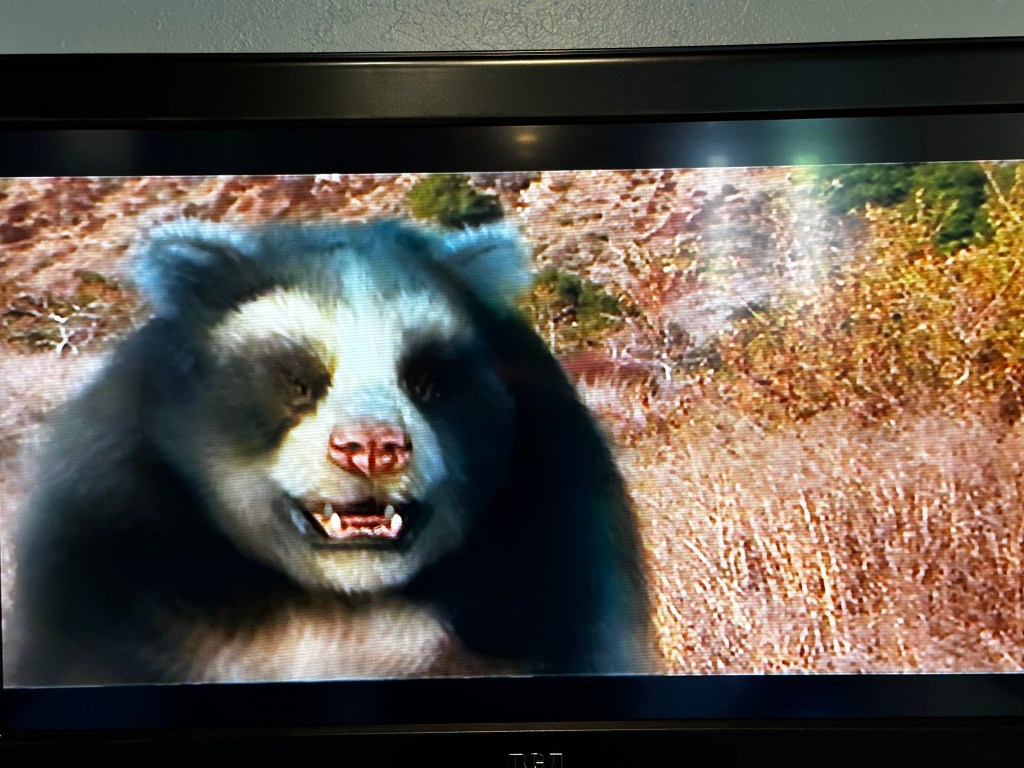
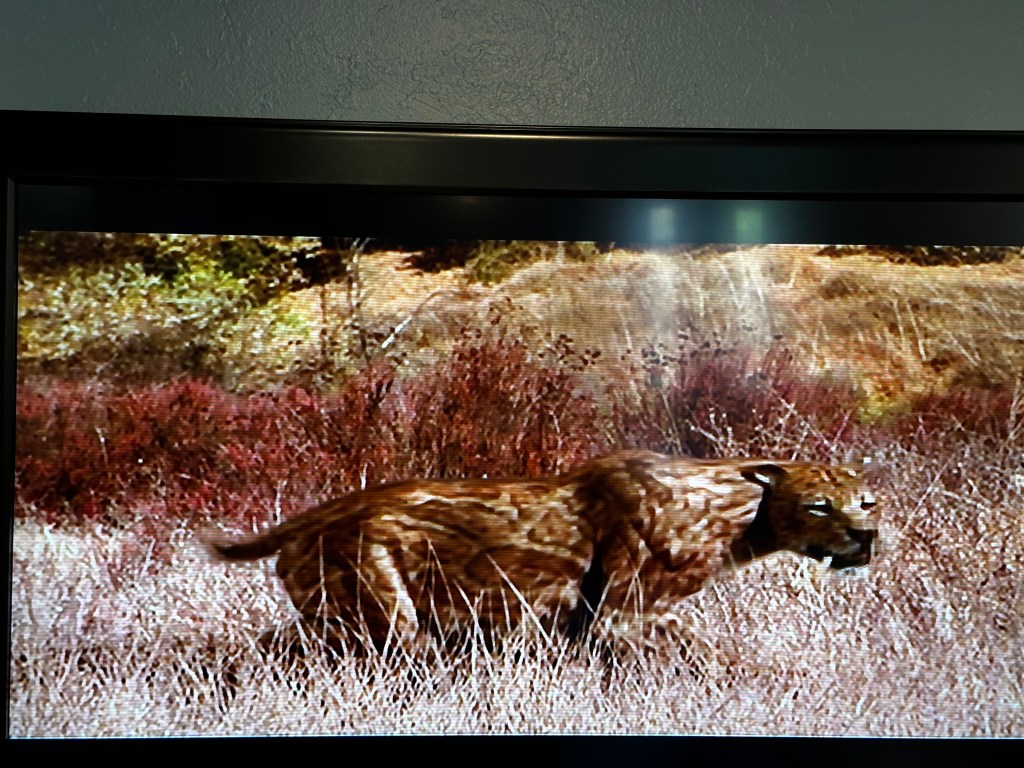
But the bone collection and accompanying videos are more upbeat, and very well done. OK, it‘s all about extinction. But really interesting theories about how the amazingly powerful ancestor of the grizzly, the short-faced bear might have gone extinct. Its short snout was powerful enough to break bison bones, and harvest the marrow. The paw swipe was fast enough to kill saber toothed cats.
The had a fantastic video with lifelike special effects reconstructions of the animals fighting. Image quality is bad, because I had to film the screen.

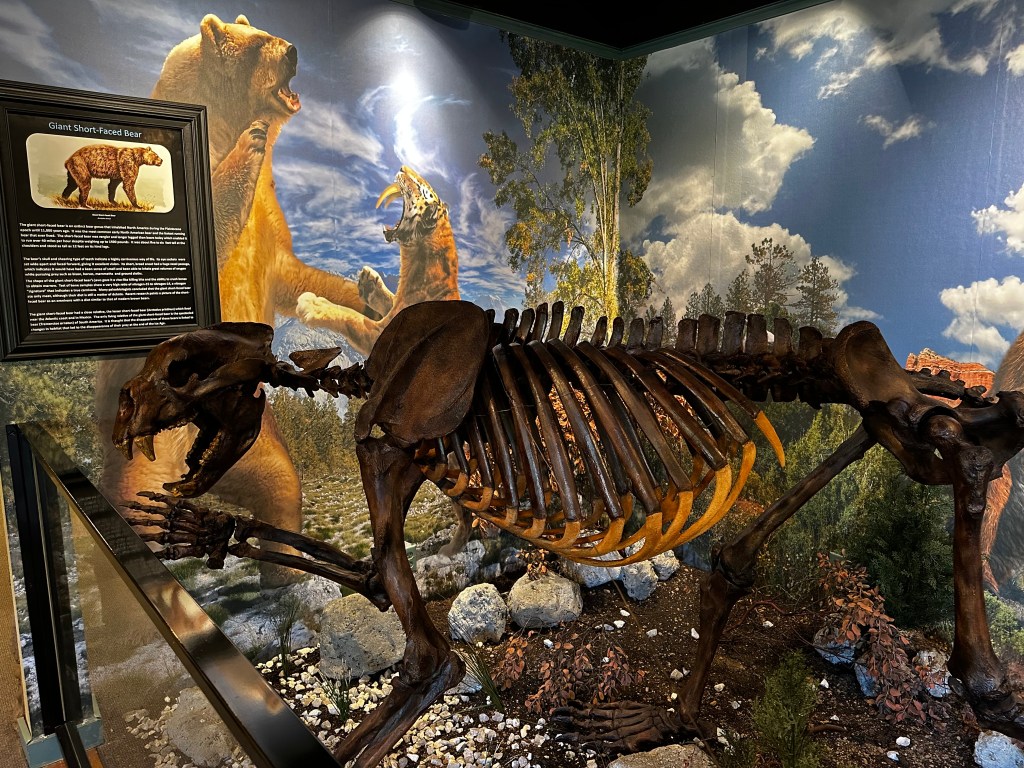

I had no idea that many bones are found in the middle of LA. The area was riddled with boiling tar pits, hidden by vegetation. The legs of huge animals got immobilized in the hot molasses, and they would slowly sink. The remains are very well preserved, and I believe they are still being excavated.

Off to the Washington border.
 Musings